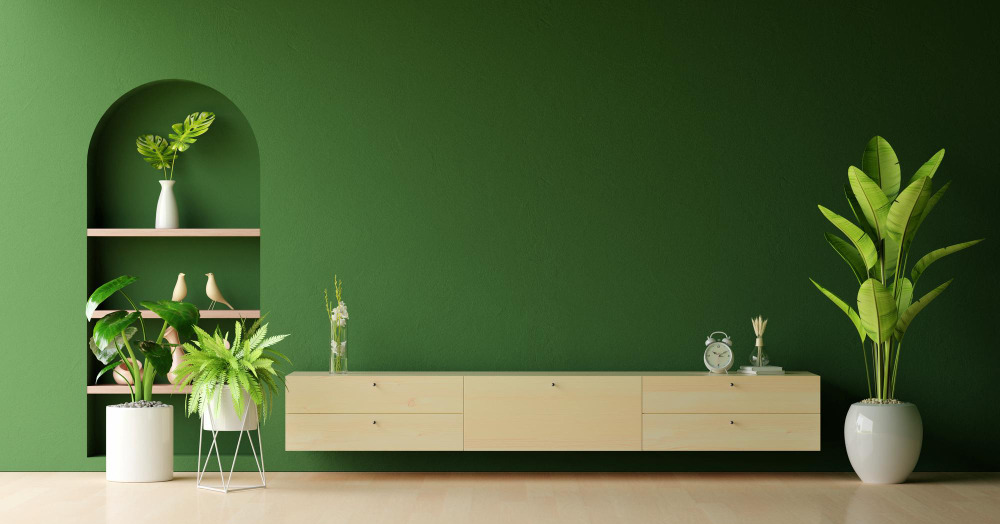
How buyers interpret empty vs furnished rooms
Why Buyers See Empty and Furnished Rooms Differently
Buyers form instant impressions the moment they step into a room, and whether that space is empty or furnished plays a significant role in how they interpret its potential. An empty room often appears larger at first glance, giving viewers a clear sense of floor space and layout. However, without furniture to provide scale, many buyers struggle to judge how the room functions in everyday life. A completely vacant space can feel colder, less inviting, and more difficult for viewers to emotionally connect with, which is a key factor in motivating offers.
Empty rooms also highlight every imperfection, from minor scuffs to uneven proportions, because there is nothing to soften or balance the visual field.
Furnished rooms, on the other hand, help buyers understand how the space can be lived in. Well‑chosen furniture demonstrates proportion, flow, and purpose, allowing viewers to imagine their own routines within the home.
A thoughtfully dressed living room can show where conversation areas naturally sit, while a furnished bedroom helps buyers visualise comfort and privacy. Furnishings also add warmth and character, creating an atmosphere that encourages emotional engagement. When buyers feel at ease in a room, they are more likely to remember it positively and more inclined to see the property as “home”.
That said, over‑furnishing or using outdated pieces can work against a sale. Heavy or oversized furniture may make rooms feel smaller, and overly personal décor can distract buyers from the property itself. The goal is to strike a balance: present a space that feels lived‑in enough to be relatable, yet neutral enough to appeal to a wide audience. Many vendors choose light staging to achieve this effect, using minimal, modern pieces that enhance the room without overwhelming it.
Ultimately, buyers interpret empty and furnished rooms through both logic and emotion. Empty spaces offer clarity, while furnished spaces offer connection. Understanding this distinction allows vendors to present each room in a way that supports stronger viewings and more confident offers.